Porta Potty Rental Boston for Events: Deliveries, Pickups, and Scheduling
When you are planning an event in Boston, the details are usually what make or break the day. The schedule, the layout, the weather plan, the power plan, the flow of foot traffic. Somewhere in that same pile of real-world decisions sits a quieter but absolutely critical piece of logistics: portable toilets.
A porta potty rental in Boston is not just about “having bathrooms.” It is about timing the delivery so the units arrive before guests show up, making sure they are placed in a safe, usable location, and coordinating pickups quickly enough that the site can move on. Done well, the experience feels invisible. Done poorly, it creates lines, complaints, and unnecessary stress for the person responsible for fixing problems on the spot.
Below is how deliveries, pickups, and scheduling really work, the trade-offs you should think through, and the practical questions you can use to avoid surprises when you rent portable toilets on rent for an event.
Why event scheduling for porta potties is different than construction
A construction site can absorb delays more easily. If a unit shows up a few hours late, the crew still has work. An event is different. You have guests arriving at a specific time, vendors setting up on a timeline, and a front-of-house experience that needs to look intentional from the first minute.
That is why “Portable Toilet Rental” companies approach event rentals with a bit more cadence than people expect. The delivery window is only part of it. You also need to align with:
- Your venue access times, especially in dense Boston neighborhoods where loading zones and street rules can be strict.
- Your setup plan, since the placement of emergency portable toilet rental units affects foot traffic and accessibility.
- Your finish plan, because cleanup and breakdown often run on tight timelines.
I have been on the end of event calls where the first text message the organizer sends is not about speakers or catering. It is “Where are the toilets, and can we place them closer to the entrance?” That request is usually reasonable, but the timing needs to be coordinated. If the units arrive after the entrance plan is already locked, you can end up moving other things or paying for extra labor.
Delivery timing in Boston: what to expect
Most portable toilet rental companies are used to Boston’s mix of busy streets and limited access. Even without getting too technical, there are a few realities that shape delivery timing.
First, the delivery window is rarely “at 10:00 a.m. Sharp.” It is usually a range. If you schedule for the first half of a morning, you are giving the driver a chance to complete the rest of the route before arriving. If you schedule too late, you risk overlapping with guest arrival or vendor setup.
Second, access matters as much as the clock. Some venues are straightforward, others are not. A unit delivered to a loading zone is different from one delivered across a courtyard, up a walkway, or through a narrow gate. If your site plan depends on specific placement, plan for a little extra time.
Third, winter and weather can change everything. Boston weather can swing quickly, and snow or icy conditions can slow down placement. If you are doing a fall or early winter event, confirm whether your provider needs additional lead time for safe setup.
A useful rule from experience: treat portable toilets like a part of your critical path. If you wait until “everything else is ready,” you usually end up compressing the timeline that should be comfortable.
Pickup scheduling: when the site actually needs them gone
Pickup is the part that gets less attention until the day before. Organizers remember delivery because it ties to guest comfort. They forget pickup because it feels like an afterthought. Then breakdown begins, staff start carrying equipment out, and suddenly you realize the site still has units parked where you need to move.
A pickup plan should align with your teardown window. If the venue requires the area to be cleared by a certain time, your portable toilets should be picked up soon after the event ends, or at least moved off the main flow before breakdown gets fully underway.
There are also practical reasons pickups need scheduling discipline. Units can be heavy and awkward to move on short notice, especially if they are placed on grass, uneven surfaces, or areas with temporary barriers. If the pickup is late, it can interfere with cleanup crew work, trash staging, or even ADA access routes.
One time, I watched a team scramble to reopen a pathway after the portable toilets were left too long in a location that had been fine during the event but blocked a critical emergency egress route after guests left. The organizer did the right thing by contacting the provider, but the delay created a level of stress that could have been avoided with a simple pickup timing call earlier in the week.
How to schedule portable toilet delivery and pickup without headaches
Scheduling is where you win or lose with Portable Toilet Rental. The best outcomes come from clear communication and a few specifics that most people assume the provider will “figure out.”
Start with the event basics: address, exact event dates, start and end times, and whether guests will be onsite for the full duration or only during certain blocks. Then get specific about where units should go. If the placement site is not obvious, mark it on a simple site map or send photos.
Next, ask for the provider’s recommended delivery and pickup windows for your type of event. A wedding on a quiet street behaves differently than a multi-hour public festival with periodic surges. A fundraiser with VIP guests often benefits from cleaner, more premium units near main walkways. A late-night event may need extra attention to lighting and safe access to the restroom area.
When you request emergency portable toilet rental, be even more explicit. “Emergency” usually means the timeline is compressed and the stakes are higher, so you need to confirm availability and lead time immediately. If your provider offers options, decide quickly rather than “circling back tomorrow.”
If you want a simple way to reduce back-and-forth, here is a compact scheduling checklist that works well for most Boston events:
- Confirm the exact drop-off address, including which entrance and where the driver can safely park or access the unit
- Share event start and end times, plus when guests actually begin using restrooms
- Identify the placement area and whether it needs leveling or surface protection
- Provide a teardown window and any venue rules about when units must be removed
- Confirm whether you need additional units due to age groups, alcohol sales, or extended hours
That list is short by design. The point is to give the provider enough detail to plan the route and placement correctly.
Placement matters more than most people think
People often think placement is “wherever there is space.” In practice, the best placement is about usability, safety, and guest perception.
Guests want toilets that are close enough to feel convenient, but not so close to become a bottleneck. They should have a clear, well-lit path. If the restroom area is hard to find, you will get wandering and questions. If it is located in a spot where foot traffic naturally concentrates, you can create congestion around the unit doors.
In Boston, especially in busier neighborhoods, sight lines and walking routes can be just as important as distance. You may have a beautiful event layout, but if the porta potties are placed where guests already need to squeeze past vendors, the line forms in the wrong place.
There is also a practical placement consideration: accessibility. If your event is open to the public or you have guests with accessibility needs, plan for accessible units. Even when your provider supplies standard units, you should confirm what accommodations are included and how they will be delivered and set.
Finally, think about the “after the event” placement. If the units are positioned in an area you plan to break down, you might need to relocate barriers or change teardown sequencing. It is better to schedule pickup to avoid that conflict than to hope the crew can work around it.
How many units do you actually need?
The number of portable toilets is one of those questions that sounds straightforward but has a lot of context baked in. A small internal staff event does not need the same quantity as a ticketed public event. A short event with food is different from a multi-hour festival with drinks.
While providers use experience and industry norms to suggest quantities, you should still tell them what “use pattern” you expect. Are you offering alcohol? Will there be family activities? Are there expected surges at a certain hour, like a ceremony start time?
Also, consider gender mix and accessibility needs. Many events benefit from balanced distribution so guests are not waiting disproportionately. If you are choosing between “fewer, more premium units” and “more basic units,” the decision should be driven by the venue layout and the likelihood of peak-time lines.
If you want the most reliable guidance, ask your provider for a recommended range based on your attendance estimate and event duration. A provider that is responsive and direct will usually help you avoid paying for too many units that sit idle, or too few units that become a complaint magnet.
Choosing “cheap portable toilet rental” without cutting the wrong corners
Budget matters. Most event planners are juggling multiple vendors with competing priorities, and it is normal to ask for cheap portable toilet rental options. The trick is to define what “cheap” means in a way that does not sacrifice the one thing guests remember: cleanliness and usability.
The cheapest unit is not always the wrong move, but it often comes with trade-offs. Those trade-offs might include limited availability of certain features, longer scheduling lead times, fewer options for upgrades, or less frequent service depending on your rental plan.
Here is the judgment call I recommend: choose the right unit type for the event atmosphere, then protect the basics. If you are hosting a corporate event with higher expectations, a slightly higher cost can reduce guest complaints and the chance that staff get stuck troubleshooting an underpowered setup.
If it is a smaller community event, basic units can be totally appropriate, especially when the event duration is short. But even then, confirm delivery and pickup timing. A unit that is “cheap” but arrives too late is not cheap anymore, because it creates emergency conversations during setup.
Unit types and upgrades: what to ask about
Not every portable toilet rental is the same, and Boston events Porta Potty Rental Boston Premier Portable Potties often need different approaches depending on crowd size and duration. Some events simply require standard units. Others benefit from added comfort, better waste management planning, or enhanced presentation.
If your event is high-profile or you are trying to impress guests, ask your provider about unit options that improve the experience. If your event is in a sensitive location, ask what placement rules they follow and whether any units require special handling.
For emergency portable toilet rental, ask about fastest possible delivery and what limitations might apply. In a true emergency, providers sometimes prioritize functional delivery over ideal placement or premium features. That can still work if you plan for it honestly, but the organizer should know what trade-offs are on the table.
The Boston-specific logistics people overlook
Boston is great for events, and it is also a city with constraints. Even if you have all the right intentions, you can hit friction if you do not account for how deliveries operate.
Loading and parking are the big ones. Your rental provider needs a place to park safely while handling the units. Some addresses have easy access, others do not. If your venue is near heavy traffic or you have a strict curbside rule, the delivery driver may need a different approach than you expected.
Then there is the surface. In some Boston event spaces, the easiest delivery point is not on the most convenient ground. Grass can be soft, pavement can be uneven, and temporary ramps may be needed. If you want the most reliable delivery experience, tell your provider what the placement surface is like, not just the address.
Finally, consider how your guests move around. In dense areas, the restroom area needs to be placed so it does not create a hazard. You want clear signage if guests are likely to need help finding the restroom zone. If your event is outdoors and windy, consider whether doors or privacy screens could shift. These are small operational issues that become big if you discover them late.
To keep it grounded, here are common site conditions that affect delivery and placement. Your provider may ask similar questions:
- Gravel, grass, or uneven ground that may require leveling or careful placement
- Venue entrances and gate widths that limit how the unit can be moved
- Curbs, loading zones, or street restrictions that control where the truck can stop
- Lighting conditions near the restroom area, especially for evening events
- Any venue rules about where portable units can be located during setup and teardown
Working with portable toilet rental companies: questions that save time
The best providers make it easy to coordinate. The worst providers make you do all the thinking. You can spot the difference by how they respond when you ask practical questions.
Ask how they handle delivery windows and what “on-site arrival” means. Are they arriving to the venue entrance, or do they need clearance through a gate? Ask who the point of contact is on your end and what phone number the driver can call when they are nearby.
Ask what pickup typically Porta Potty Near Me looks like. Do they need the units to remain accessible after teardown begins? Do they require a certain path width? Can they pick up immediately at event end, or do they need a buffer time?
If your event is weather-sensitive, ask if they adjust scheduling based on conditions. A reputable provider will not pretend weather does not exist.
And if you are deciding among options, ask for a breakdown of what you are paying for. Many event planners get burned when “cheap” includes fewer details than they assumed, like not clarifying whether additional servicing is included.
A realistic scheduling scenario from a Boston event
Let me describe a common situation that plays out in Boston more often than people expect.
Imagine a four-hour outdoor event with expected attendance that grows throughout the afternoon. Setup begins early. The organizer chooses a rental plan for standard portable toilets, and they schedule delivery for late morning. Everything seems fine until they realize the venue entrance is being used for deliveries from multiple vendors, and the placement area for the toilets is behind a temporary barrier that is not installed yet.
In a perfect world, they would have placed the toilets immediately where they belong. In real life, they need the barrier installed, then the toilets set, then the signage placed, then setup completes. If the toilets arrive early but cannot be safely placed because the barrier is not ready, the delivery may be delayed or requires a re-coordination.
The organizer avoids disaster by doing two things: they confirm the placement area readiness and they set a pickup plan that matches the teardown schedule. When pickup is coordinated for shortly after guests leave, the cleanup crew can work without stepping around equipment that should have been removed.
That is why scheduling is not a single checkbox. It is the sequence of events, and porta potties sit right in the middle of that sequencing.
Emergency portable toilet rental: planning for the worst while staying practical
Emergency situations happen. A venue might lose access to restrooms at the last minute. A permit change might require additional toilet capacity. A vendor might drop out and your event staffing plan changes quickly.
When you need emergency portable toilet rental, the goal becomes functional coverage first. Comfort and presentation are secondary until the basics are handled.
What you should do is contact the provider right away and clearly state the constraints. How soon do the units need to be delivered? Where can the units be placed? Is there any specific requirement from the venue or event permit?
Then, adjust the event plan around the reality of the emergency. If the timeline is tight, you may need to accept placement that is slightly less optimal than you would have chosen otherwise. The key is to avoid placing units where guests cannot access them safely.
Most emergency rentals still go smoothly when the organizer communicates quickly and keeps the on-site point of contact ready to meet the driver.
Pickup day: how to avoid last-minute friction
Pickup is usually straightforward when everyone agrees on timing. Friction happens when pickup is treated like a “later” task while teardown escalates.
To reduce last-minute problems, confirm that:
The area will be accessible for pickup crews, even as staff begin breakdown.
The units will not be blocked by stacked equipment or parked vehicles.
The provider has an appropriate route for removal, especially if the delivery required a careful path.
If your team tends to rush teardown immediately after guests leave, consider holding a small buffer so the restroom area is not obstructed. It is one of those operational decisions that saves time overall, even if it feels like “extra waiting” in the moment.
Final thoughts on scheduling: the calm way to get great results
A porta potty rental in Boston can be simple, but only when scheduling is treated as real logistics rather than a background task. Delivery timing should match venue access and setup sequencing. Pickup timing should match teardown and cleanup. Placement should support guest flow and safety, not just “what space is left.”
If you are comparing portable toilet rental companies, focus less on vague marketing and more on how they handle the specifics: delivery windows, pickup timing, access requirements, and whether they ask you the questions that matter. That is the difference between a rental that feels smooth and one that creates unnecessary calls right when your event needs your attention most.
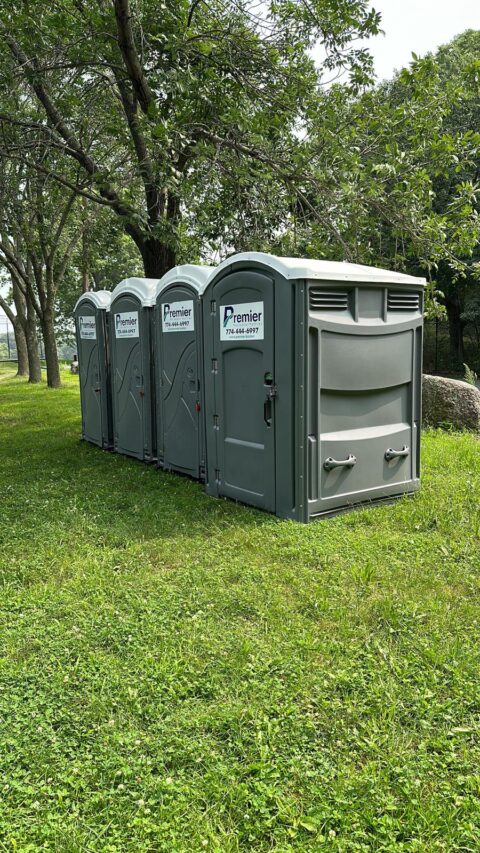
And if budget pressure is real, cheap portable toilet rental can still be a smart choice, as long as the units are delivered on time, placed where guests can use them easily, and picked up when the site needs them gone. That combination is what turns a basic necessity into a well-managed part of your event experience.
Premier Portable Potties
35 Industrial Dr, East Bridgewater, MA 02333, United States
(774) 444-6997
[email protected]
website: https://www.premier.boston/